






What is Polypropylene
- Postdate: 2023-03-02
- From: qibochem.com
-
What is Polypropylene
- Postdate: 2023-03-02
- Form: qibochem.com
-
1 Introduction
1.1 Polypropylene, referred to as PP, is a polymer made of propylene through addition polymerization. It is a white waxy material with a transparent and light appearance.The chemical formula is (C3H6)n, the density is 0.89-0.91g/cm3, it is flammable, the melting point is 189°C, it softens at about 155°C, and the service temperature range is -30-140°C.It can resist the corrosion of acid, alkali, salt solution and various organic solvents below 80 ° C, and can decompose under high temperature and oxidation.
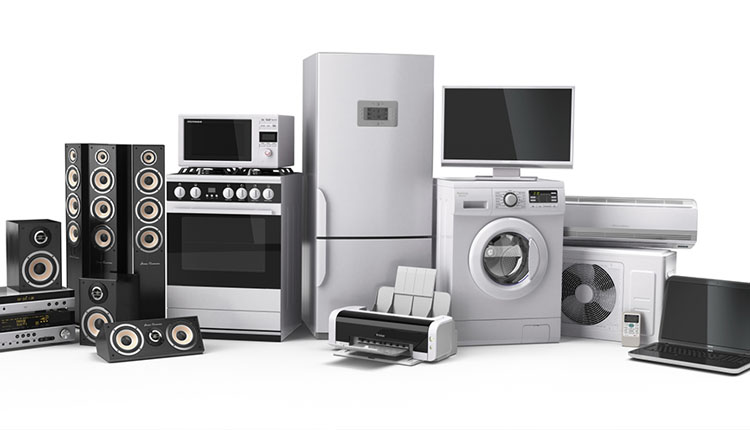
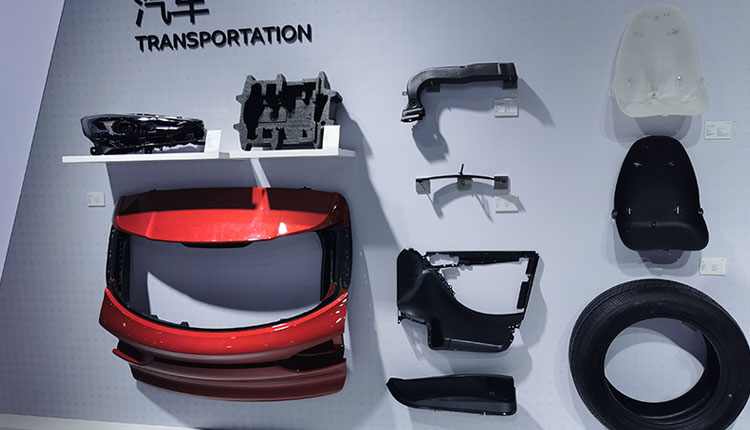
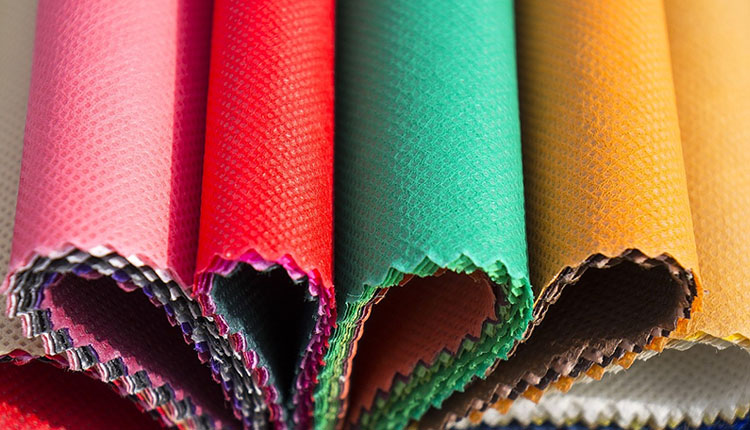
1.2 Polypropylene is a thermoplastic synthetic resin with excellent performance. It is a colorless and translucent thermoplastic lightweight general-purpose plastic with chemical resistance, heat resistance, electrical insulation, high-strength mechanical properties and good high wear-resistant processing performance, etc.Widely used in the production of clothing, blankets and other fiber products, medical equipment, automobiles, bicycles, parts, pipelines, chemical containers, etc., and also used in food and drug packaging.
2 The history of the development of polypropylene
2.1 In 1954, G. Natta first polymerized propylene into polypropylene (using aluminum-titanium chloride as a catalyst), and created the theory of directional polymerization, which attracted people's attention.
2.2 In 1957, Montecatini Company in Italy and Hecules Company in the United States established 6000t/a and 9000t/a polypropylene production units respectively.
2.3 From the late 1960s to the mid-1970s, polypropylene entered a period of great development.
2.4 Since the 1980s, the output of polypropylene has been at the forefront of synthetic resins, and now it is only lower than polyethylene, ranking second.
2.5 China began to study the polypropylene production process in 1962.
3 Chemical properties of polypropylene
3.1 Odorless, tasteless, non-toxic. It is the lightest of the commonly used resins.
3.2 Excellent mechanical properties, including tensile strength, compressive strength and hardness, outstanding rigidity and resistance to bending fatigue
3.3 Good heat resistance, the continuous use temperature can reach 110-120°C.
3.4 Good chemical stability, except for strong oxidants, it does not interact with most chemicals; solvents cannot dissolve PP at room temperature, only some halogenated compounds, aromatic hydrocarbons and high-boiling aliphatic hydrocarbons can make it swell, and the water resistance is particularly good.
3.5 Excellent electrical performance, good high-frequency electrical insulation, and good electrical insulation in humid environments.
3.6 Since there are many tertiary carbon atoms with methyl groups on the main chain of PP, the hydrogen on the tertiary carbon atoms is easily attacked by oxygen, so the weather resistance of PP is poor, and antioxidants or ultraviolet absorbers must be added.
3.7 Like polyethylene, it is forbidden to use its recycled products to hold food.
Shijiazhuang Qibo Chemical Co., LTD., has PP environmental protection flame retardant masterbatch for non-woven fabrics,Mining PP flame retardant,Efficient PP flame retardant masterbatch,Transparent PP Flame Retardant Masterbatch,Halogen-free PP flame retardant masterbatch
and High gloss PP flame retardant,etc.